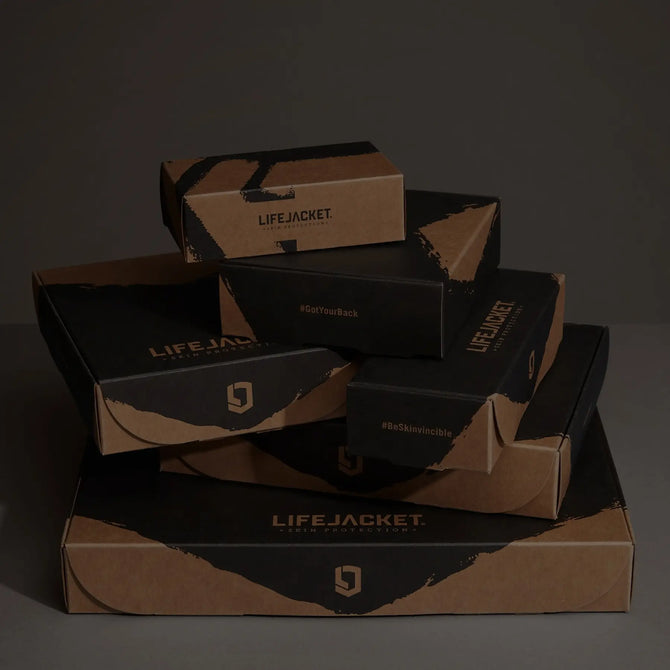
Sun protection for people who actually use it. This is LifeJacket's sunscreen range: our SPF 50+ Sun Gel, SPF 30 Sun Gel, SPF 50+ Mineral Sun Stick, SPF 50+ Sun Protection Spray and SPF 50+ Mineral Sun Shield. Whatever you call it, sunscreen, sun cream or suncream, most of it sits in the bathroom because it's greasy or leaves a white cast, and the best sunscreen is the one you'll actually use. So we made ours for people who need it to work while they're out: running, cycling, triathlon, swimming, surfing, sailing, paddleboarding, skiing, mountaineering, walking, golf, gardening, working outside, family holidays or just getting on with the day.
Which LifeJacket sunscreen is right for you? For a sports sunscreen on your arms, legs and back, choose one of our Sun Gels. For a sunscreen for face top-ups, lips, nose and ears, choose the Mineral Sun Stick. For a mineral sun cream you can take into the sea, choose the Mineral Sun Shield. For the back of your neck, your shoulders and the parting in your hair, choose the Sun Protection Spray. Every LifeJacket sunscreen, SPF 50+ or SPF 30, is formulated, tested, manufactured and filled in the UK, which makes it British sunscreen from start to finish.
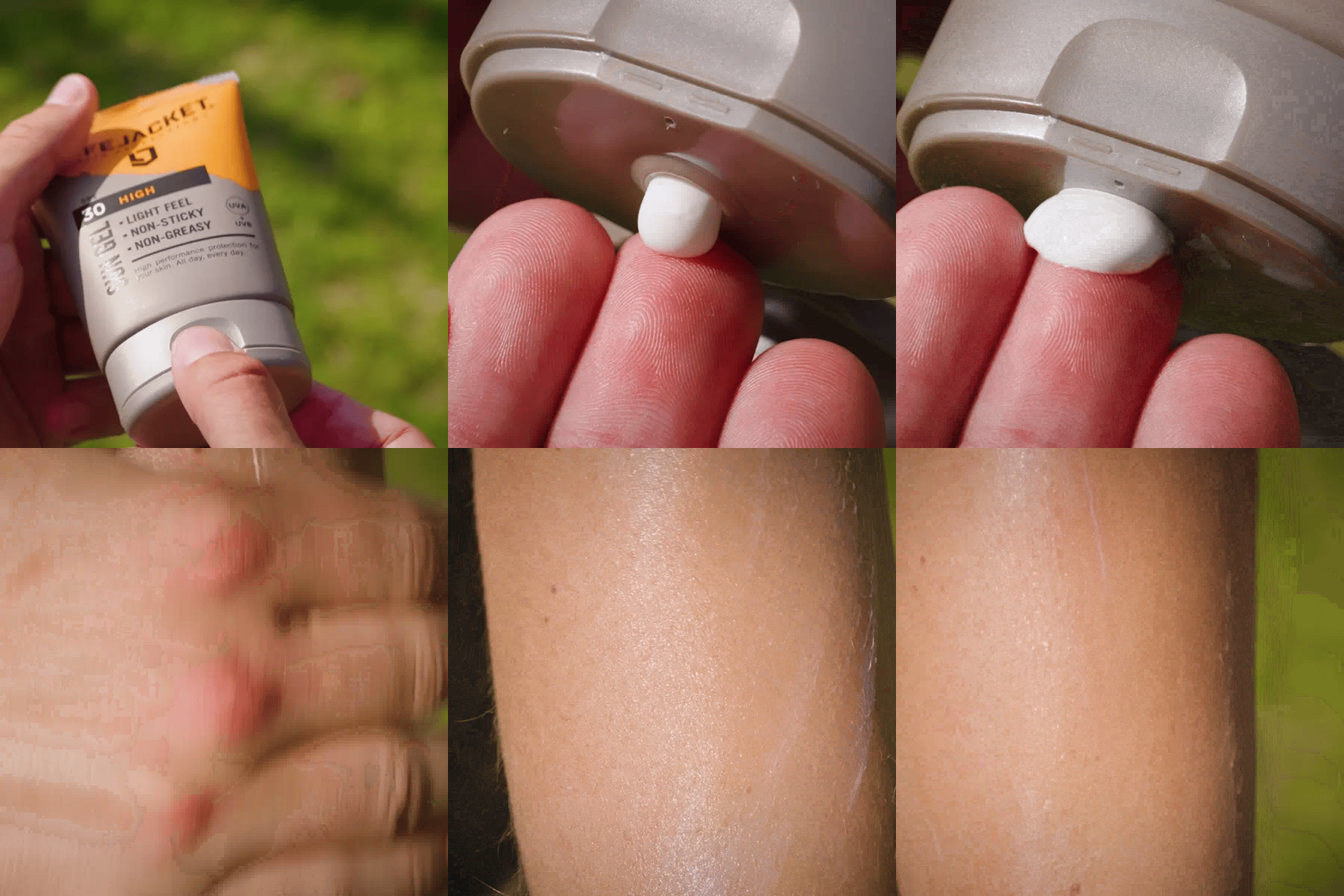
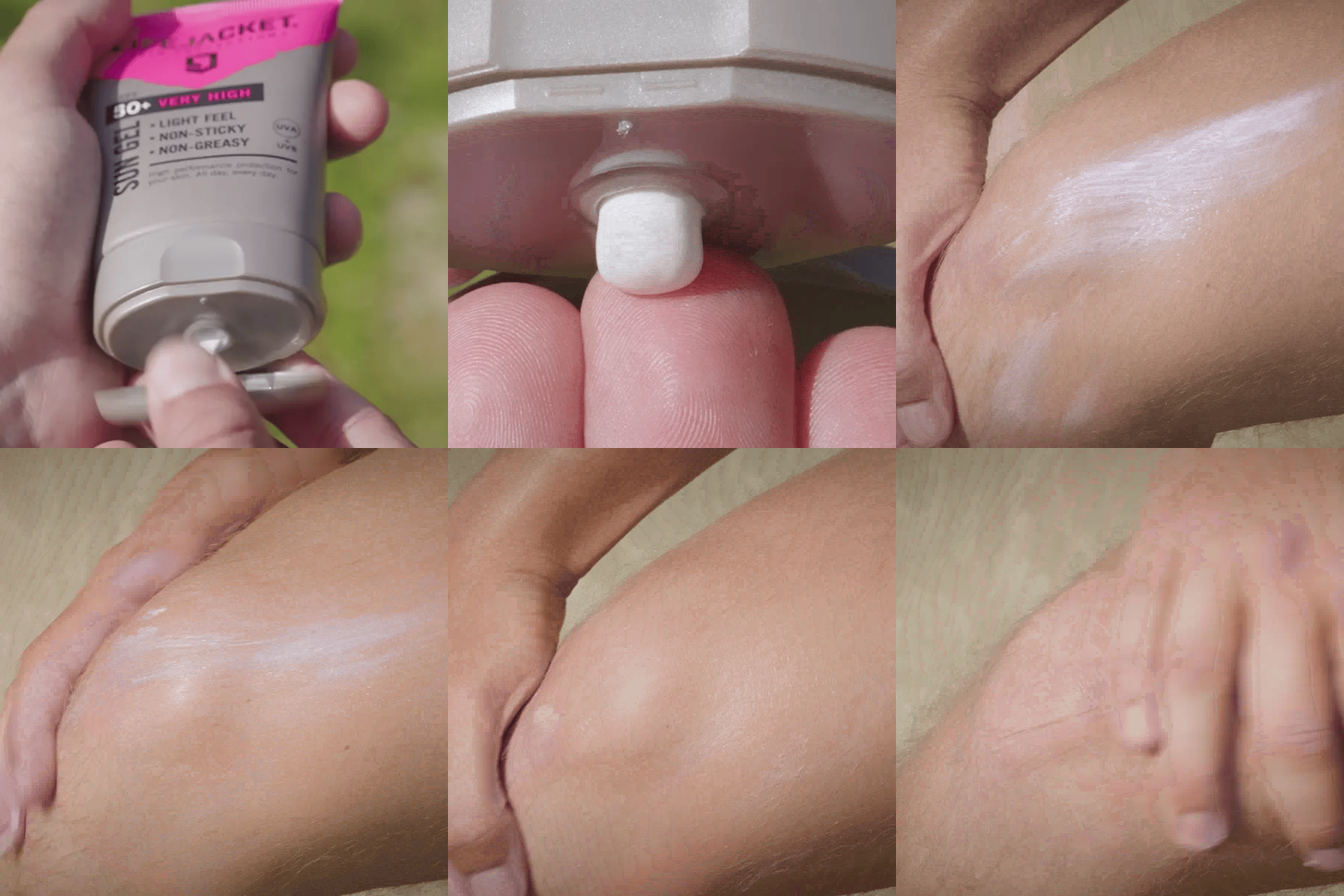
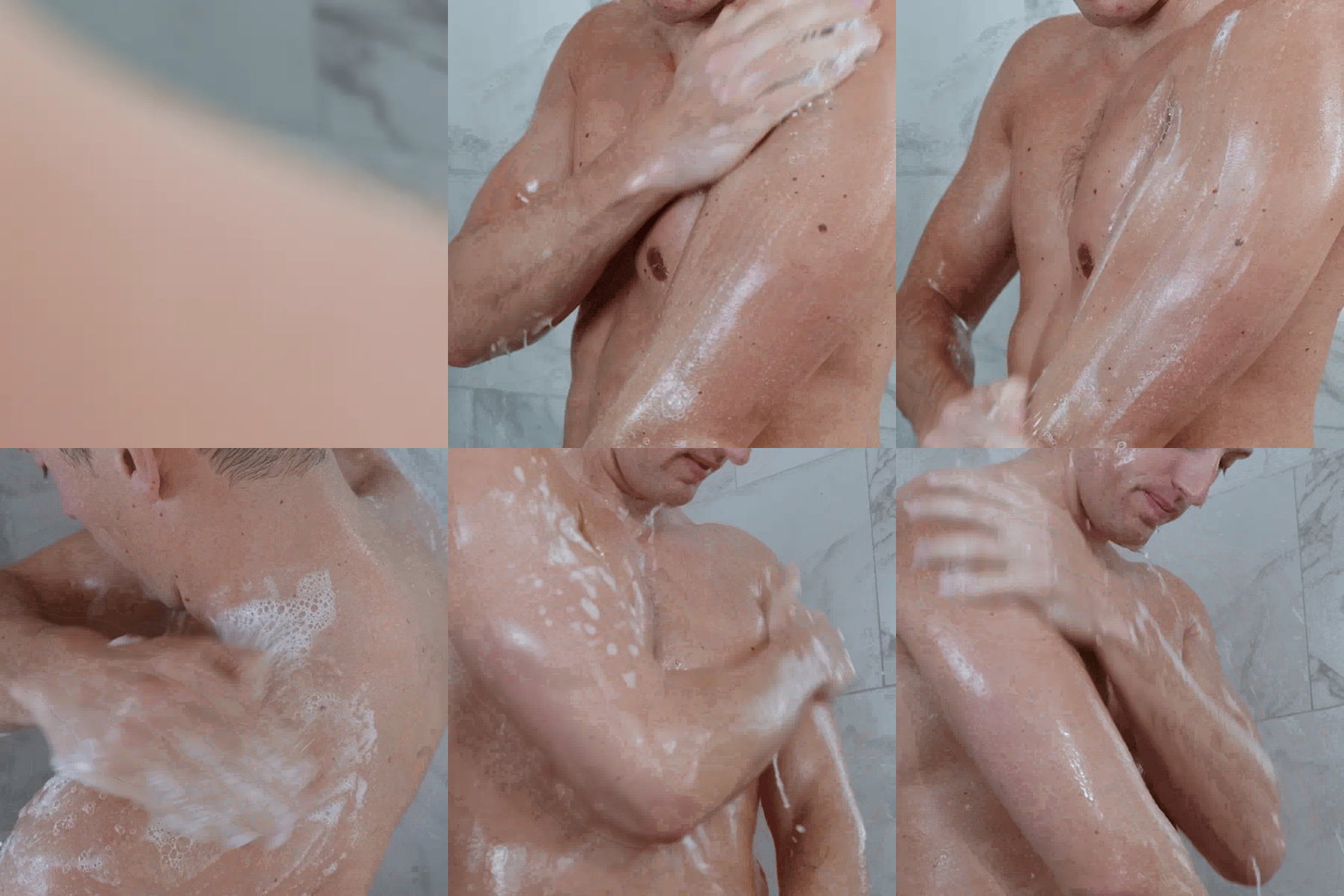
Our SPF 50+ Sun Gel (100ml, 200ml and 500ml) is our highest protection in a lightweight gel sunscreen. If you're looking for SPF 50 sun cream, a factor 50 sun cream or any high factor sun cream, this is the one, and if you're comparing the best sun cream, UK labelling makes it simple: SPF 50+ means the sunscreen measured at least SPF 60 in the standard test. If you want a non-greasy sunscreen, it dries in seconds with no white cast and no greasy residue. In an independent trial, 90% of 51 people said it wasn't greasy after first use, 90% were happy with it overall, and there were no reactions in any of them. It's tested by ultramarathon runners and used by Olympians, which makes it our sunscreen for sport. Our SPF 30 Sun Gel (100ml and 200ml) is the same quick-drying gel as an SPF 30 sunscreen, a lightweight sun cream, UK-made, for everyday outdoor use: in an independent trial, 88% of 50 people said it wasn't greasy after first use. Both gels work as a body sunscreen for big areas like your arms, legs and back, and the 500ml pump is the sun cream for body coverage on a family holiday.
Looking for a mineral sunscreen? UK-made and 100% mineral, our SPF 50+ Mineral Sun Stick (20g) is a zinc oxide sunscreen stick for your face, lips, nose and ears, the kind some people call a sun cream stick. Twist it up and swipe it on with no hands needed. This mineral sunscreen stick is fragrance-free and fits in a pocket for top-ups on a run, a ride or the golf course, so it's the sun stick we'd carry as a sunscreen stick for face top-ups. What's the white stuff cricketers put on their face? Usually a mineral zinc stick: the white is the zinc oxide particles reflecting visible light. A zinc stick is the classic sunscreen for cricketers, and LifeJacket is used by England Cricket and an official partner of the Professional Cricketers' Association.
Our SPF 50+ Mineral Sun Shield (85g recyclable aluminium tin) is a 100% mineral sun cream with zinc oxide and titanium dioxide, a zinc sunscreen you scoop from the tin and massage in like a face or body cream. It has a natural matte finish with minimal white cast, it's soothing with bisabolol, argan oil and vitamin E, and it's very water resistant for up to 80 minutes in water. If you need a water resistant sunscreen for swimming, or a surf sunscreen for the sea, this is our pick. Reapply it after towelling.
Our SPF 50+ Sun Protection Spray (100ml) is an oil-based SPF spray in a non-aerosol pump, for the spots you can't reach: the back of your neck, your shoulders, your calves and the parting in your hair, so it works as a scalp sunscreen too. If you prefer a spray sunscreen, spray until the skin glistens, then one swipe to spread it. Never spray this sunscreen spray, or any sun cream spray, straight at your face.
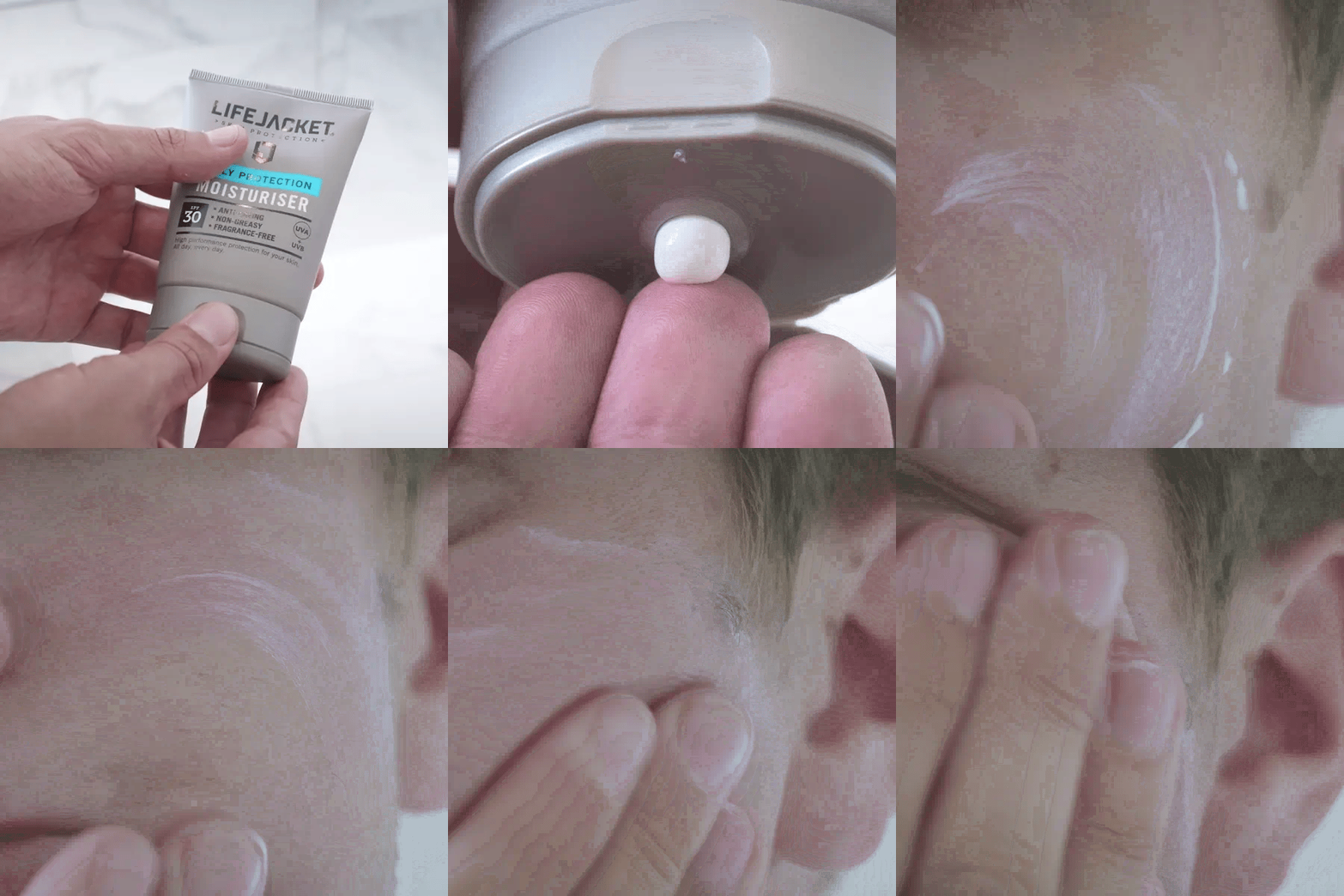
What's the best sunscreen for sensitive skin? Every one of our sunscreens is dermatologically tested and clinically approved for sensitive skin, and our Sun Gels are backed by a dermatologist-supervised 96-hour patch test in 30 people with sensitive skin, with no irritation. Dermatology bodies recommend mineral sunscreens for sensitive skin, and fragrance is the most common cosmetic allergen. So if your skin reacts easily, start with a fragrance-free sunscreen: our SPF 50+ Mineral Sun Stick. For a face sunscreen every morning, our fragrance-free SPF 30 Daily Protection Moisturiser is a sun cream for sensitive skin and a moisturiser in one.
Mineral or chemical sunscreen? Both work, and both protect as soon as they're on. Our Sun Gels and Spray use chemical (organic) filters, which turn UV into a tiny amount of harmless heat, and our Sun Gels are invisible on skin, on any skin tone. Our Mineral Sun Stick and Mineral Sun Shield use mineral filters. SPF 30 or SPF 50? SPF 30 blocks about 97% of UVB and SPF 50 about 98%: a small difference in percentage terms, but 3% getting through against 2%. What's the best sunscreen? UK dermatologists at the British Association of Dermatologists advise SPF 30 or above, so an SPF 30 sun cream meets that advice, and dermatology panels advise SPF 50+ for fair skin and high-UV settings like snow and altitude.
What's the best sunscreen for running? One you'll wear and reapply. Runners mostly skip sunscreen because they forget it (49%) or find it uncomfortable (17%), sweating lowers the dose of UV needed to burn by about 16%, and runners' shoulders take 80% of the ambient UV. A gel that dries in seconds, like our SPF 50+ Sun Gel, with our Mineral Sun Stick in a pocket as a face sunscreen, is a simple set-up for most runs. What about sunscreen for cycling? About 45% of cyclists say they were sunburnt in the past year, and recreational cyclists put sunscreen on before a ride but almost never reapply. Professional cyclists on a stage race averaged 8 sunburn doses a day. On a long ride, reapply at least every two hours.
In triathlon, the cycle leg delivered about a third of the race UV dose and the swim over a quarter: being in the water doesn't protect you. Open water reflects under 10% of UV, but half a metre down UV is still about 40% of its surface strength, and sunscreen washes off, so reapply straight after swimming. Need a sunscreen for skiing? On the slopes, UV rises around 10% for every 1,000m, and snow reflects up to 80% of it, so ski sunscreen means an SPF 50+ sunscreen and a stick for your lips and nose. You can burn on a cool, windy or cloudy day too: thin cloud lets 80 to 90% or more of UV through.
How much suncream should you use? The SPF on the label is measured with 2mg of sunscreen per square centimetre of skin. For an adult body that's roughly 30 to 35ml a go, six to eight teaspoons or a full shot glass, and about a teaspoon covers your face, neck and ears. In real life, people put on a quarter to a half of that. How often should you reapply? At least every two hours outdoors, and straight after swimming, sweating or towelling. A second coat 15 to 30 minutes after the first roughly doubles the dose people get. Does sunscreen expire? Go by the open-jar symbol on the pack (typically 12 to 30 months after opening, or about three years unopened), and keep it out of the sun and out of a hot car.
Does sunscreen sting your eyes? Sweat carries any sunscreen towards the eyes. A gel that dries fast and a second coat that sets before you sweat both help, and a mineral stick around the eyes is a good fallback. If you want an oxybenzone-free sunscreen, ours have no oxybenzone and no octinoxate, the two filters banned in Hawaii, and no parabens. Each one is a vegan sunscreen and cruelty-free, and formulated, tested, manufactured and filled in the UK. Our Sun Gels and Spray are suitable from 3 years, and our mineral Stick and Shield from 6 months.
LifeJacket sunscreen is used by Team GB Olympians and professional athletes, and used by England Cricket. We're an official partner of British Triathlon, British Rowing, GB Snowsport, British Mountain Guides, Paddle UK, British Water Ski & Wakeboard and the Professional Cricketers' Association, and an official community partner of Surfing England. Whether you're after LifeJacket sun cream, a LifeJacket Sun Gel or LifeJacket SPF in a stick for your pocket, it's all on this page. We deliver to the UK, the Isle of Man and the Channel Islands by Royal Mail tracked service. We try to get every order out the same day up until 4pm during the week, and it usually takes 2-3 working days to arrive. Delivery is free on orders over £25.